
The Era of Throwing Frontier Models at Everything Is Over
The Economics of Agents: Why GPT-6 Luna and DeepSeek V4.1 Flash class models matter more than you think
Ndamulelo Nemakhavhani · AI · Cloud · Data
Field notes from building with artificial intelligence, cloud platforms, data systems, and the software connecting them.
Latest field note
Azure API Management service also known as APIM is a gateway that centralizes authentication and request routing for backend services, simplifying security and access control. In the age of LLMs, MCP Servers and Agents, It is a crucial component for managing access and ensuring safe access to the benefits of generative AI.
Read the essay →The Economics of Agents: Why GPT-6 Luna and DeepSeek V4.1 Flash class models matter more than you think
It is time to face the true costs of AI coding. Reliable results require compute, supervision, review and maintenance that our productivity estimates often leave out.
VS Code stores configuration, extension state, workspace state, local file history, plugins, and logs across several locations on macOS. This post maps those directories, explains what they reveal, and separates local editor state from GitHub Copilot CLI and cloud data.
How to establish trust in autonomous AI systems through identity, secrets management, and continuous assurance.
Prompts can shape what an AI agent tries to do. Sandboxing and capability controls determine what it can actually do.
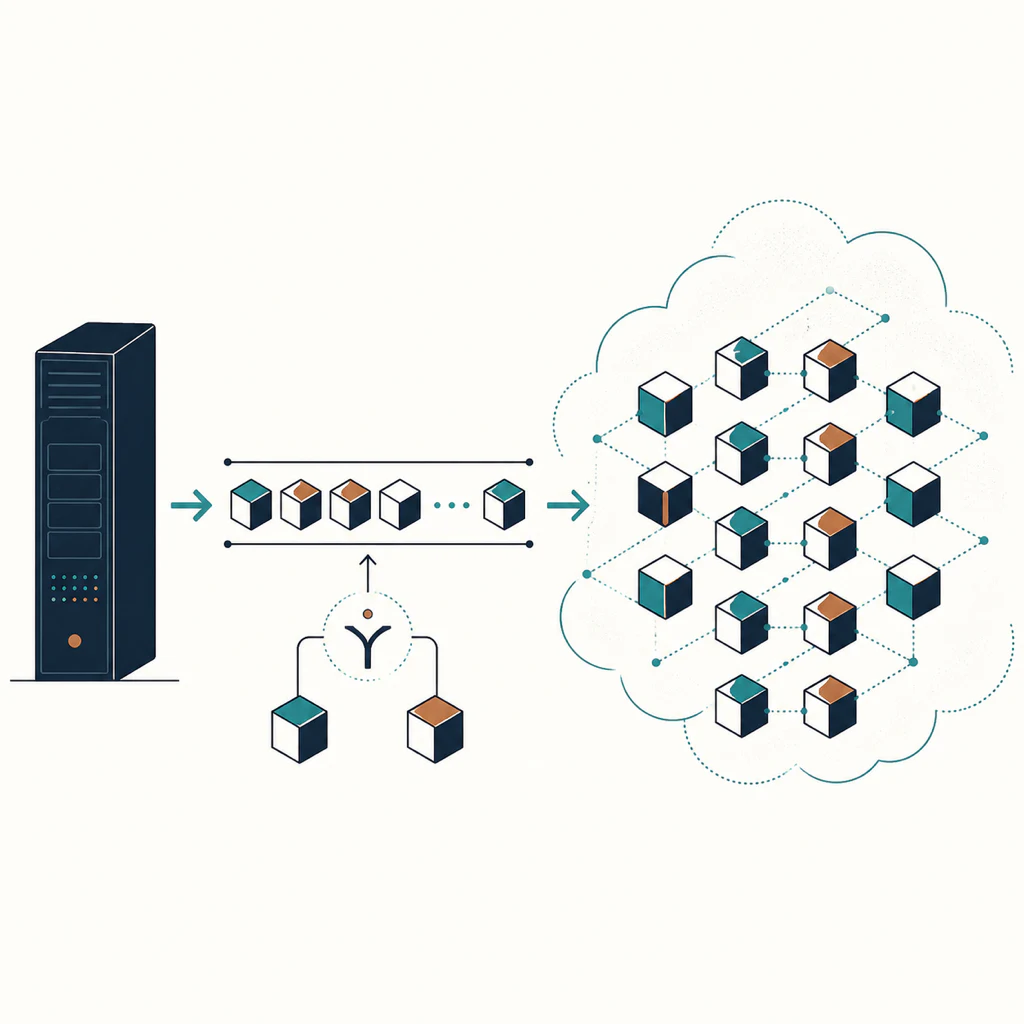
I led the redesign and migration of a VM-based deduplication solution to Azure Batch. Moving the workload to managed batch compute improved scalability and reduced annual client infrastructure costs by approximately $8,000.
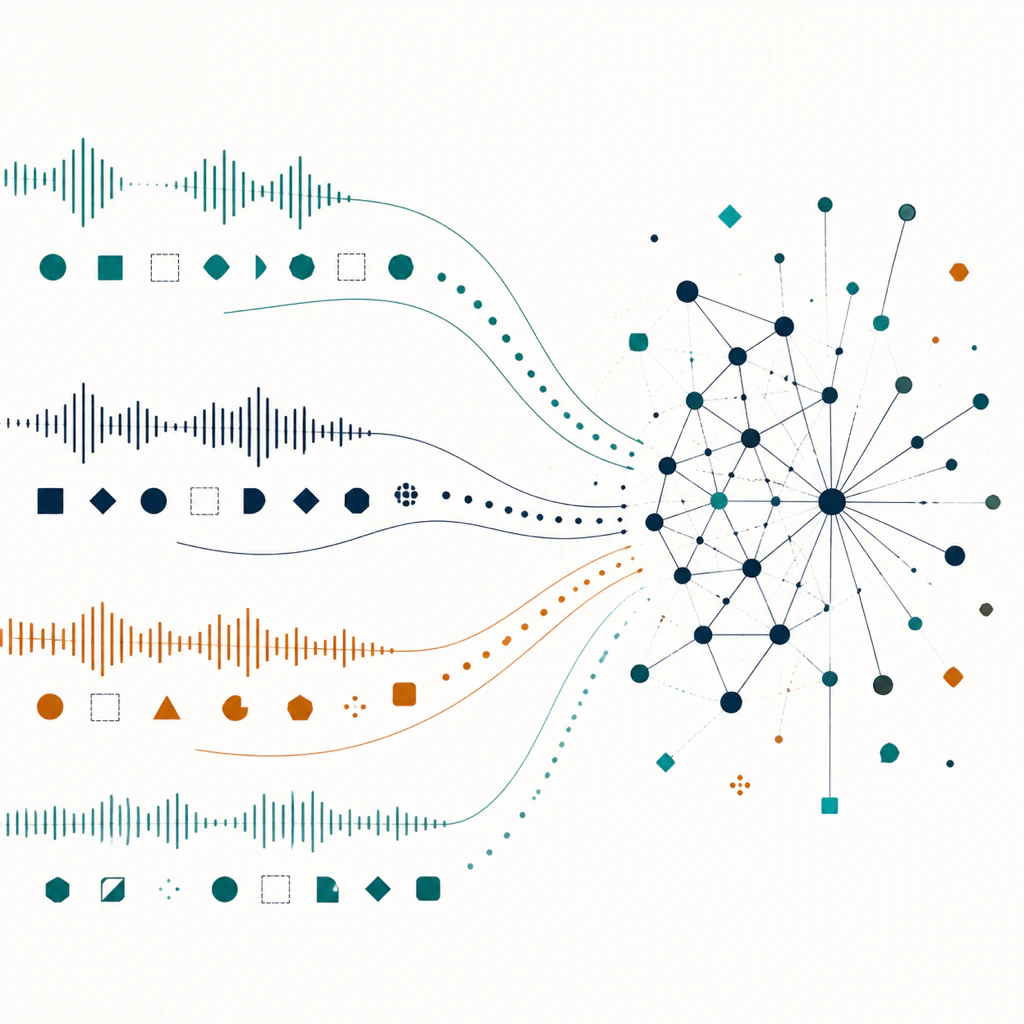
I owned the research and training of masked language models for Tshivenda and other indigenous Bantu languages. The work expanded language-technology coverage for languages underserved by mainstream NLP systems.
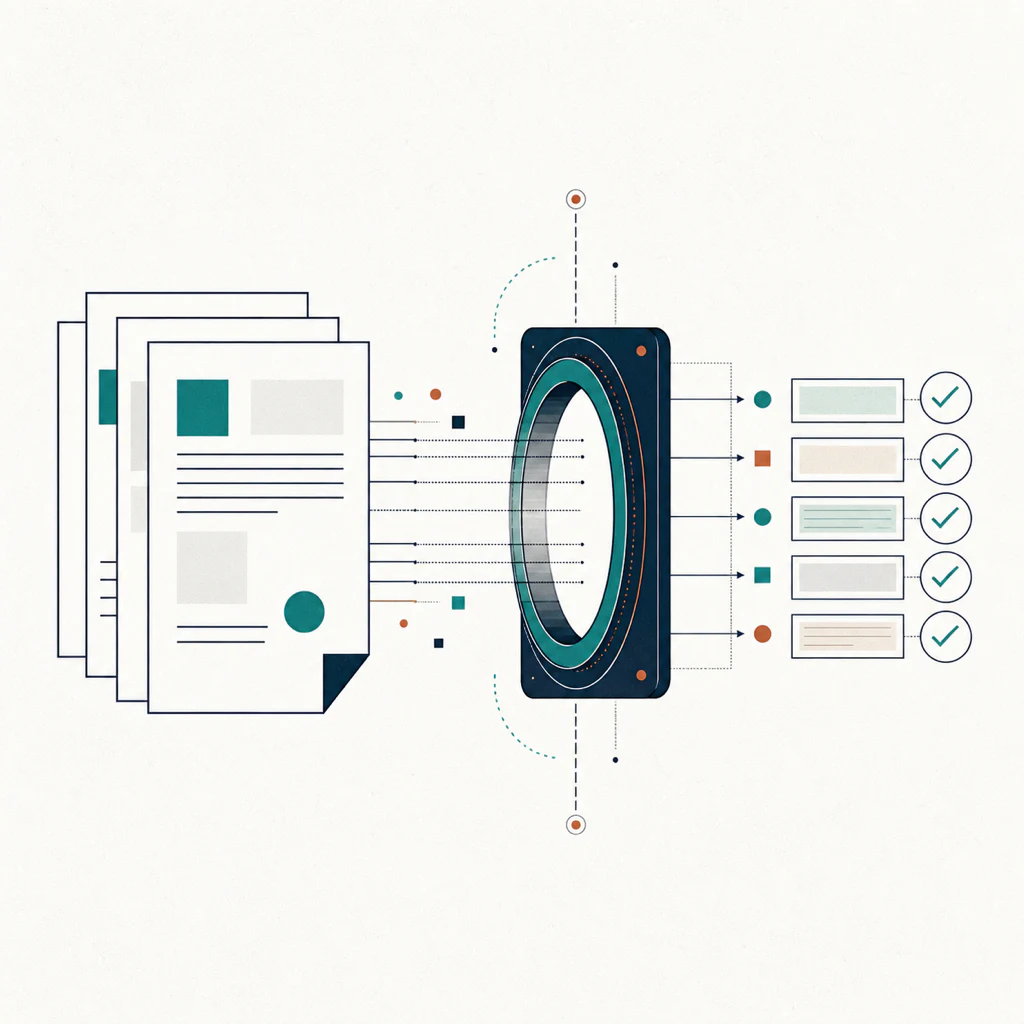
I applied NLP and large language models to extract key information from regulatory documents. The workflow was designed to make review more structured, traceable, and less dependent on repetitive manual handling.